Articles/Article Detail
Tuesday, 27 January 2026 16:02 WIB
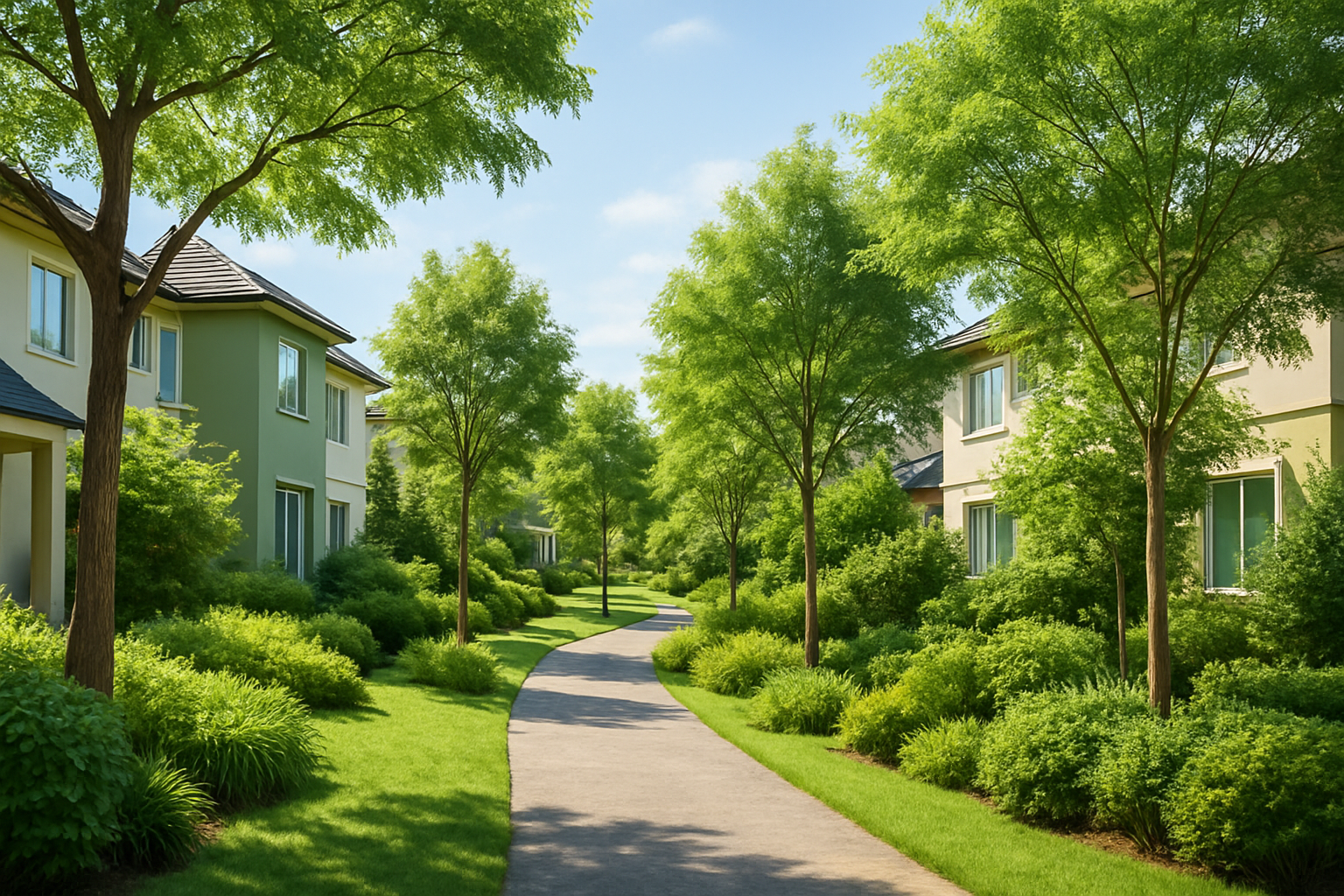
Residential Greening for Cooler Air
Introduction
As urban temperatures continue to rise, the "Heat Island Effect" has become a serious concern for residential areas. However, the solution might be simpler than we think: Greening. By integrating nature into our living spaces, we can create a natural cooling system that is both sustainable and aesthetically pleasing.
How Greening Lowers Temperature
Plants act as natural air conditioners through a process called transpiration. They release water vapor into the air, which absorbs heat and cools the surrounding environment. Additionally, large shade trees can block direct sunlight from hitting concrete surfaces, preventing heat from being trapped around your home.
Key Strategies for Residential Greening:
- Strategic Tree Planting: Planting broad-leaf trees on the West and South sides of a house can block the most intense sun rays.
- Vertical Gardens: For homes with limited space, vertical greenery on walls can reduce indoor temperatures by up to $3\text{--}5^\circ\text{C}$.
- Roof Gardens: Utilizing rooftop space for plants helps insulate the building, keeping the top floor significantly cooler.
- Permeable Surfaces: Replacing concrete driveways with grass blocks helps the ground "breathe" and reduces heat radiation.
Conclusion
Residential greening is more than just a decoration; it is a vital investment for a healthier and more comfortable lifestyle. By adding more plants to our neighborhoods, we can enjoy fresher air, lower electricity bills, and a much cooler atmosphere.