
Where Nature and Living
Grow Together
A home is more than just a place to live, it is a living space in harmony with nature
Find Your Dream Home in
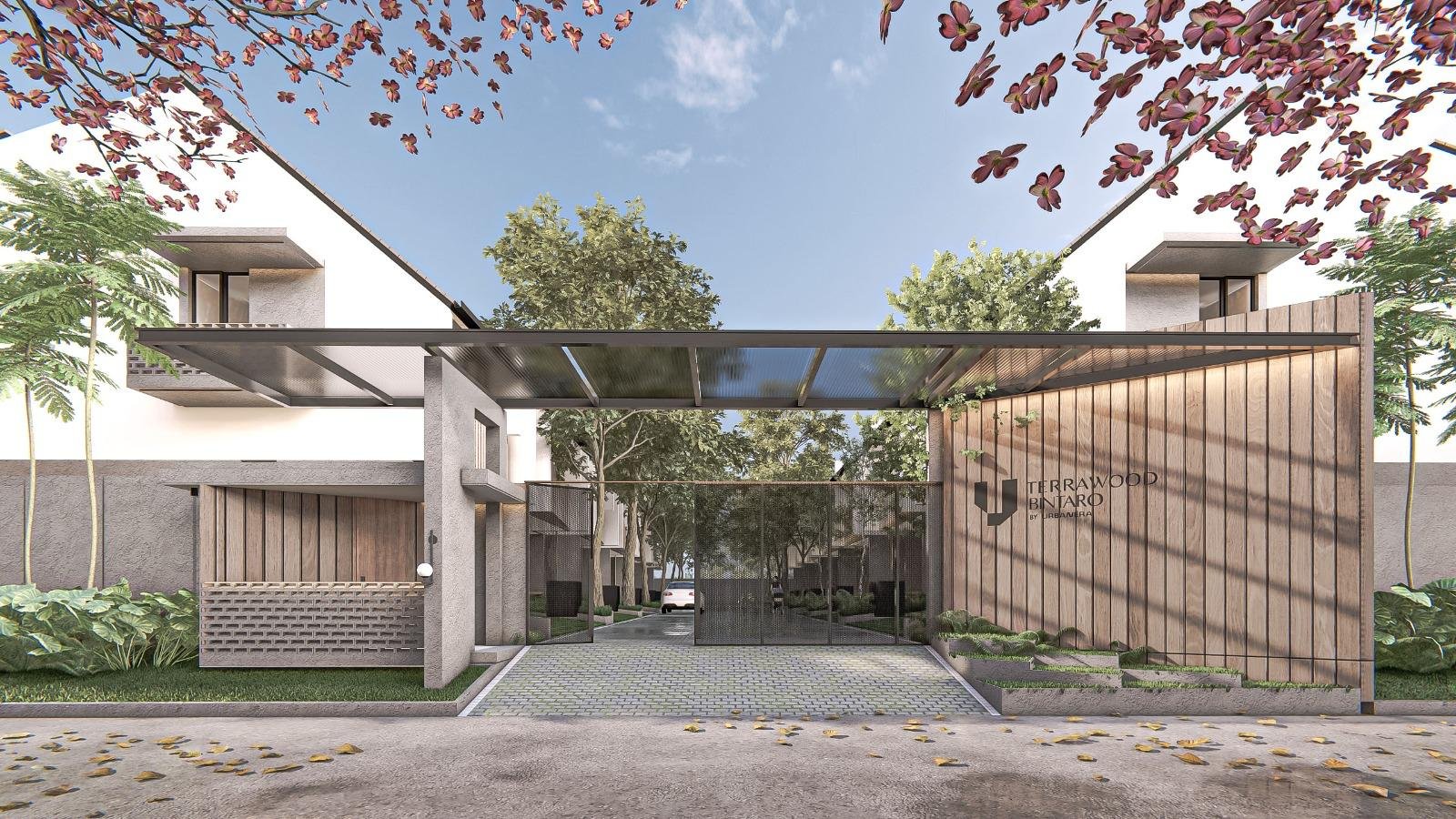
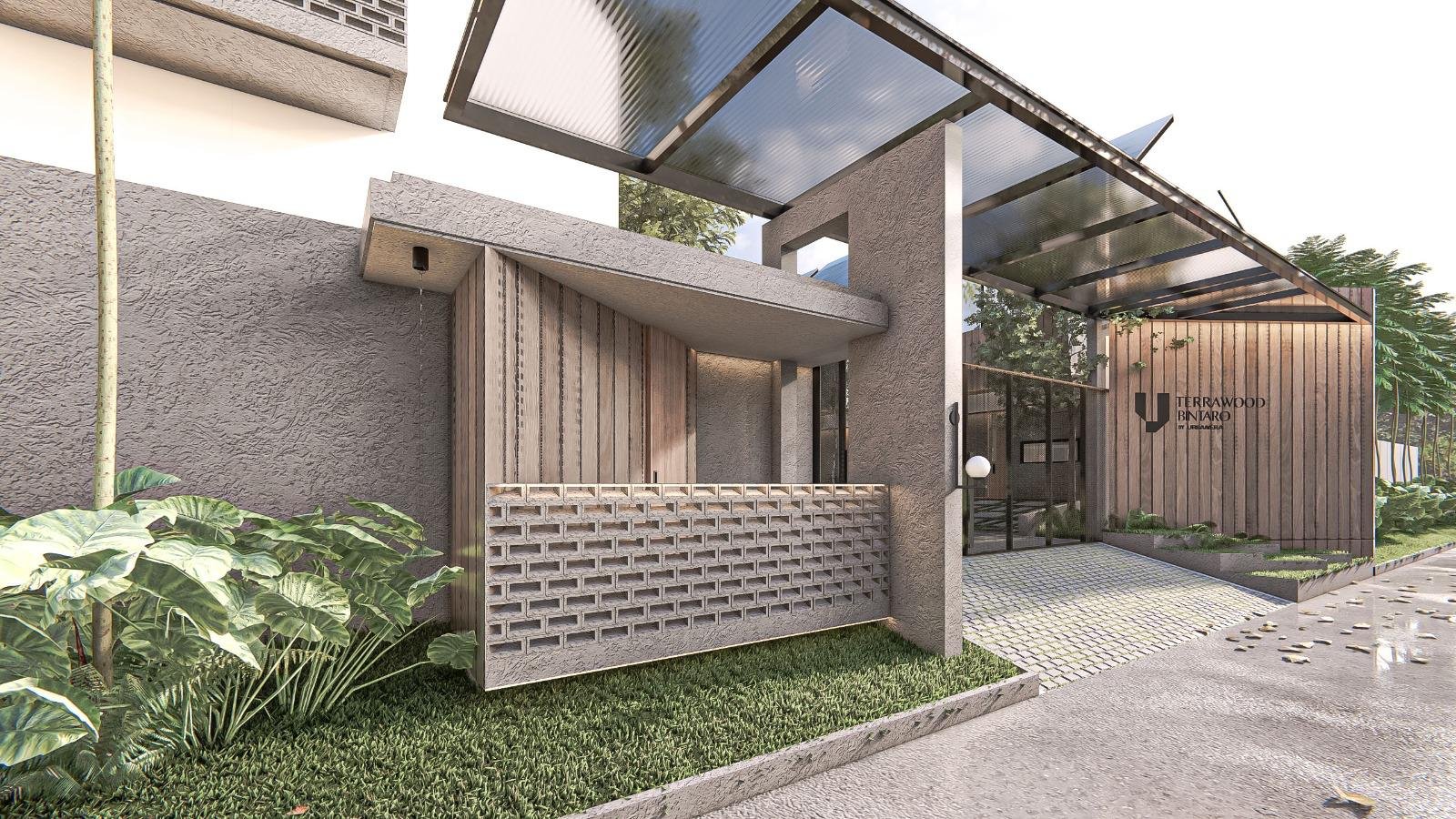
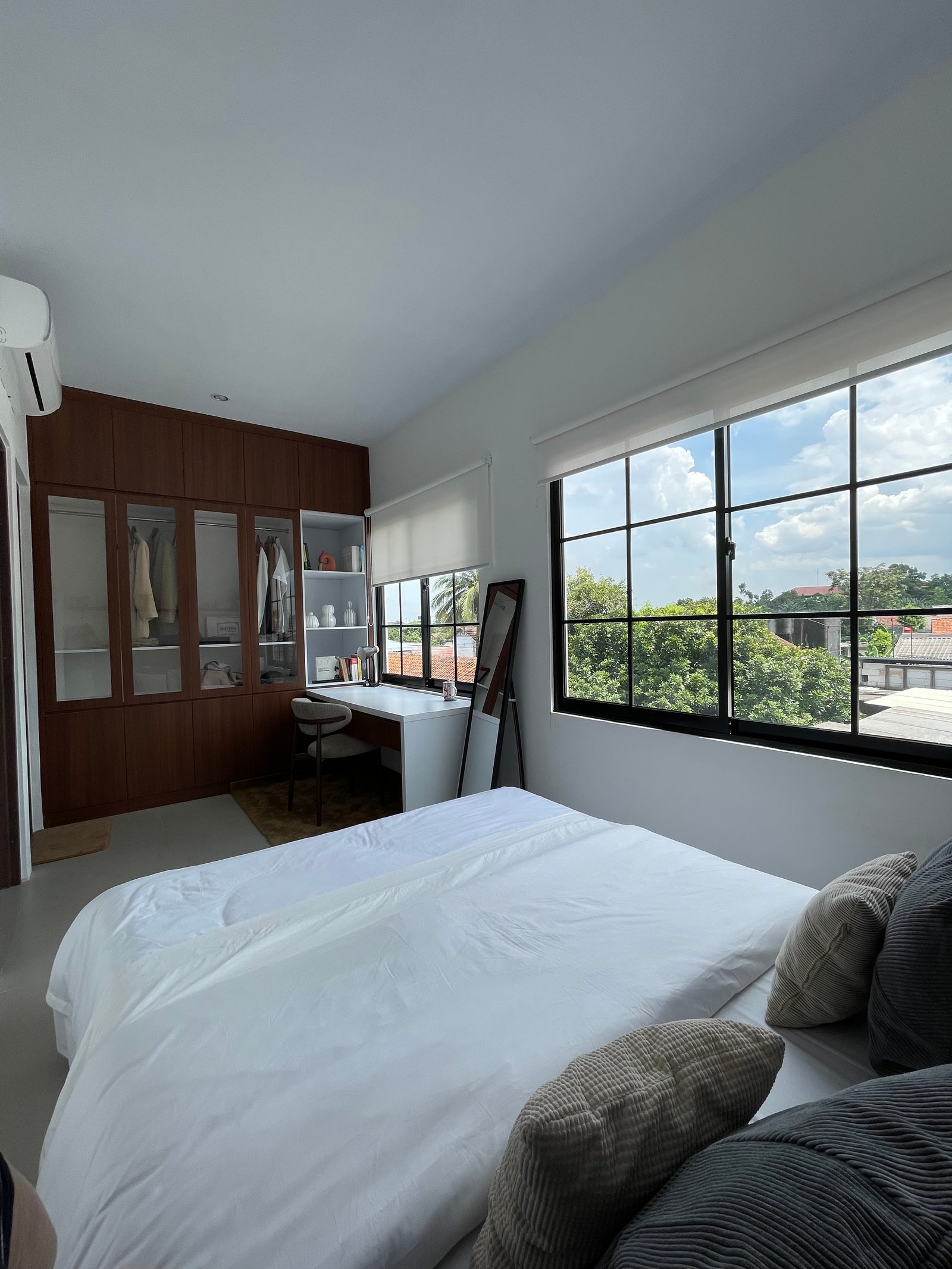
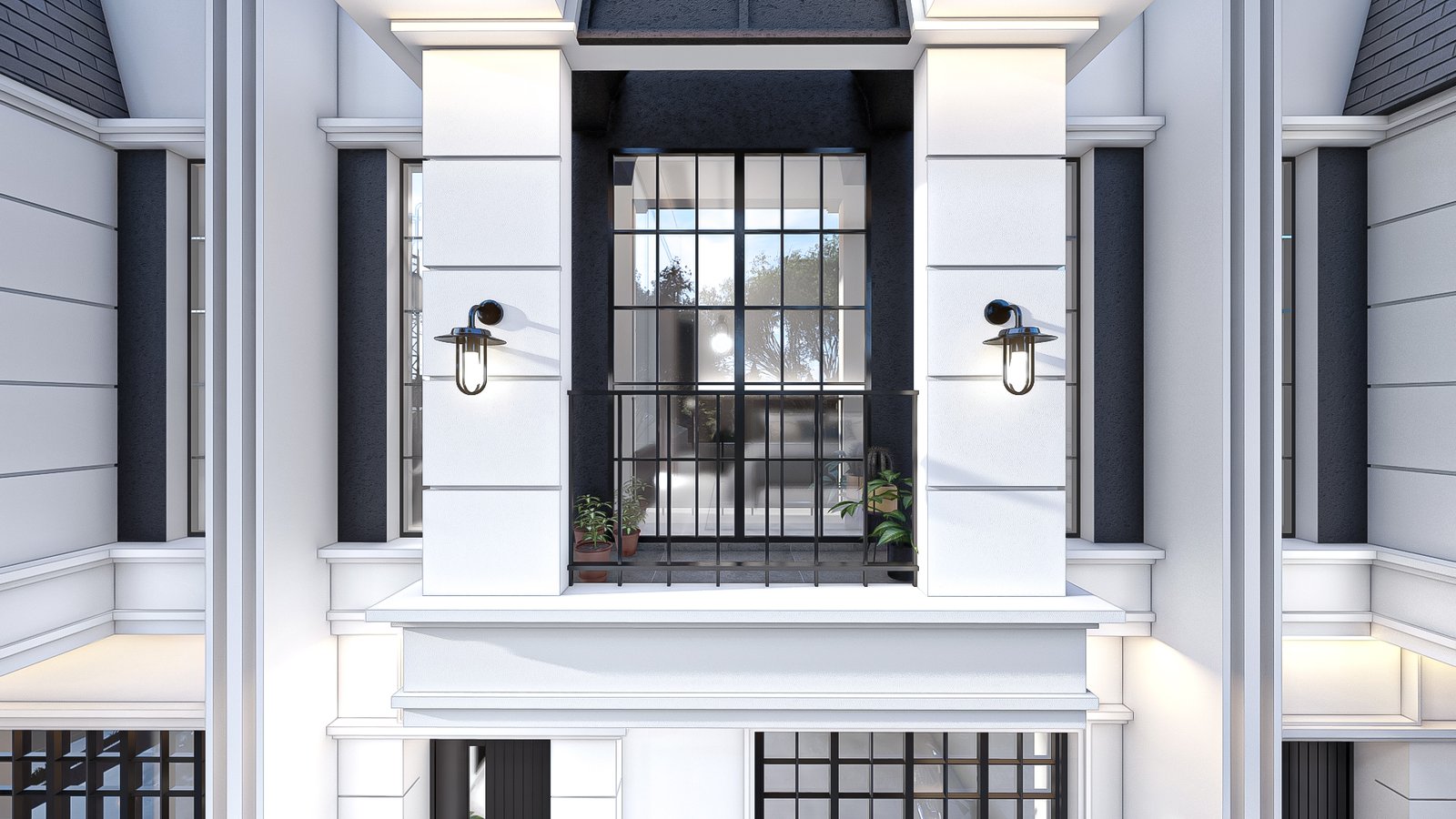
Our Featured Listings
Why Choose Us?
Lorem ipsum dolor sit amet consectetur adipisicing elit. Libero hic soluta cumque eius suscipit, commodi doloribus dicta eligendi esse eveniet laborum fugiat quam excepturi ex molestiae et nisi animi nulla amet impedit sed quaerat incidunt blanditiis laudantium? Quia ipsa, consequatur quaerat veritatis placeat id natus rerum cum eos suscipit! Sed?
- 100% Secure
- Customized Solutions
- Trusted Developer
- Understand Your Cost
- Wide Property Range
- Proven Expertise
- Jabodetabek Area
- Transparent Partnership
Explore and Browse Our
Property Listing
Recent Articles

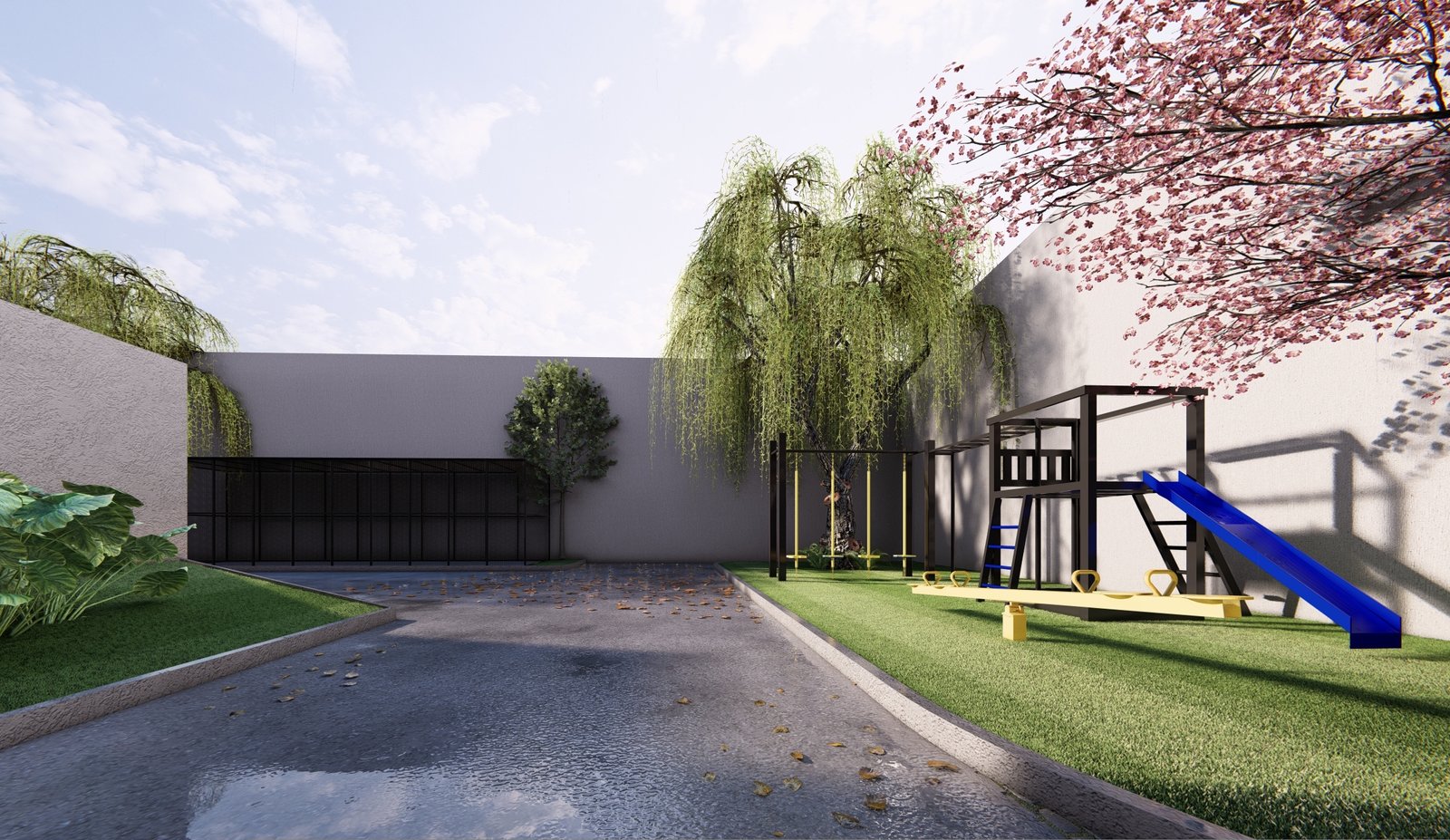
Zero-Waste Movement in Residential Areas
Tuesday, 27 January 2026 16:06 WIB
Introduction Waste management has become one of the most pressing challenges in urban living. As landfills reach their maximum capacity, the "Zero-Waste Movement" is gaining momentum within residential communities. This movement is not just about recycling; it is a lifestyle shift aimed at minimizing trash production at its source to create a cleaner and healthier living environment.
The Philosophy of the 5Rs To achieve a waste-free neighborhood, residents are encouraged to go beyond the traditional "3Rs" and adopt the 5R principle:
- Refuse: Saying no to single-use plastics and unnecessary packaging.
- Reduce: Decreasing the consumption of items that eventually turn into waste.
- Reuse: Switching to reusable containers, bags, and bottles.
- Rot: Composting organic waste, such as food scraps and garden leaves, to turn them into nutrient-rich soil.
- Recycle: Ensuring that paper, metal, and glass are properly sorted and sent to recycling centers.
Community-Based Initiatives A successful waste-free movement requires collective action. Many residential areas are now implementing:
- Waste Banks (Bank Sampah): A system where residents can deposit sorted inorganic waste and earn economic value in return.
- Communal Composting: Setting up shared composting bins for residents who live in houses with limited yard space.
- Bulk Buying Groups: Encouraging neighbors to buy household essentials in bulk to reduce individual plastic packaging.
Conclusion A waste-free residential area is not built overnight, but through consistent, small actions from every household. By managing our waste responsibly, we do more than just clean up our streets; we protect our groundwater from contamination and reduce the carbon emissions associated with waste transport and incineration. Start small, start at home, and lead the way to a sustainable future.
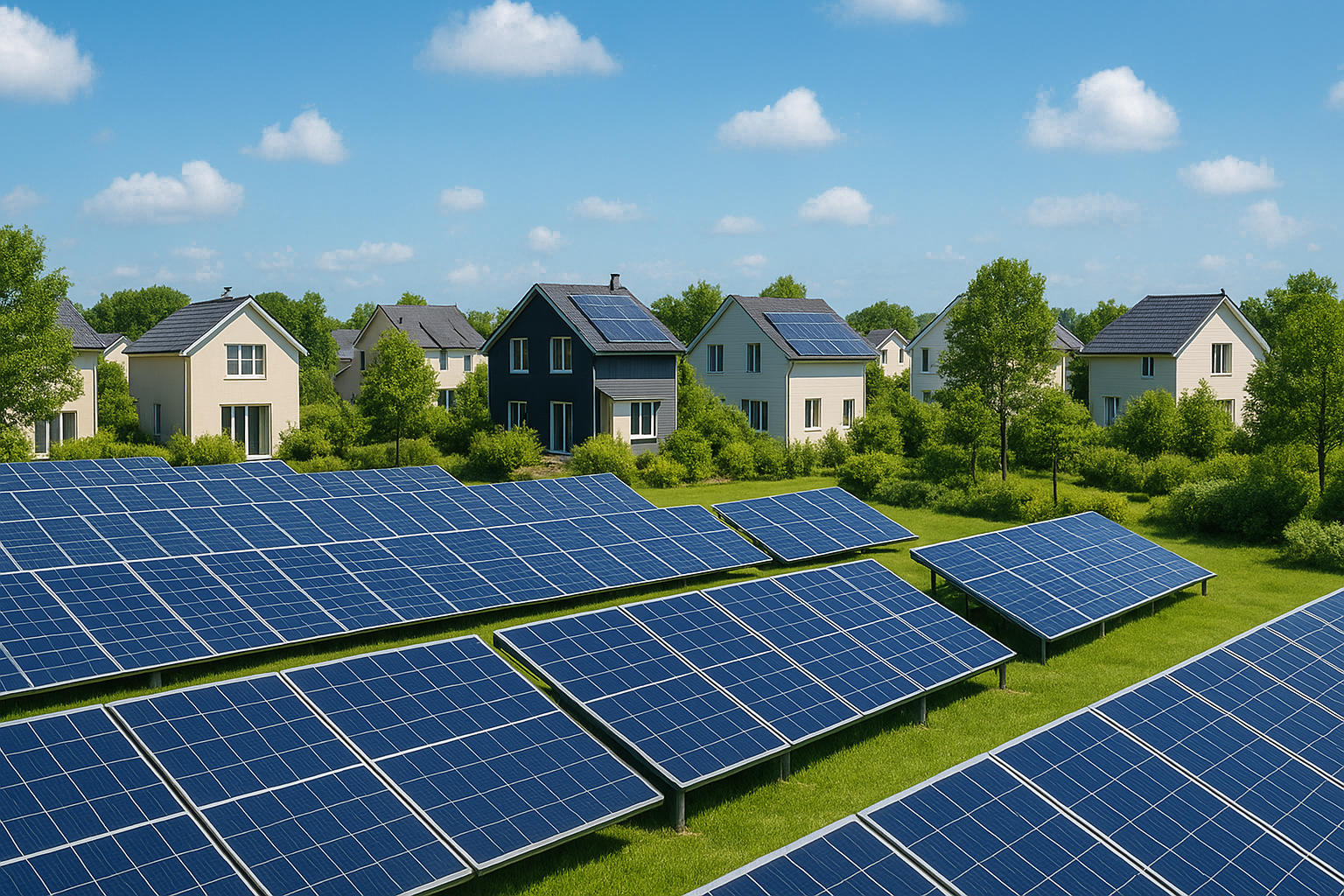
Solar Panels for an Energy-Friendly Environment
Tuesday, 27 January 2026 16:04 WIB
Introduction
In the face of global climate change, shifting toward renewable energy is no longer just an option—it is a necessity. Solar panels have emerged as one of the most effective ways for households and businesses to contribute to a greener planet. By capturing sunlight and converting it into electricity, we can power our lives while significantly reducing our environmental footprint.
The Environmental Impact of Solar Energy
Traditional energy production relies heavily on fossil fuels, which release massive amounts of carbon dioxide ($CO_2$) and other greenhouse gases. Solar energy, on the other hand, is a clean and infinite resource. Transitioning to solar power helps reduce air pollution and decreases our dependence on non-renewable resources that harm the Earth’s ecosystems.
Why Switch to Solar?
- Renewable and Sustainable: Unlike coal or gas, sunlight will never run out, making it the ultimate long-term energy solution.
- Carbon Footprint Reduction: A typical residential solar system can eliminate three to four tons of carbon emissions each year.
- Energy Independence: Generating your own power means less reliance on the national grid and protection against rising electricity costs.
- Low Maintenance: Once installed, solar panels require very little upkeep while providing clean energy for 25 years or more.
Implementing Solar Power in Residential Areas
To maximize efficiency, homeowners should consider the orientation of their roofs and the local weather patterns. Even in areas with occasional clouds, modern photovoltaic (PV) cells are efficient enough to gather significant energy. Combined with battery storage systems, solar panels can provide a steady flow of "green" electricity even after the sun goes down.
Conclusion
Adopting solar panels is a powerful step toward creating an energy-friendly environment. It is a win-win solution that protects the planet while offering long-term economic benefits. By investing in solar technology today, we are securing a cleaner, brighter, and more sustainable world for future generations.
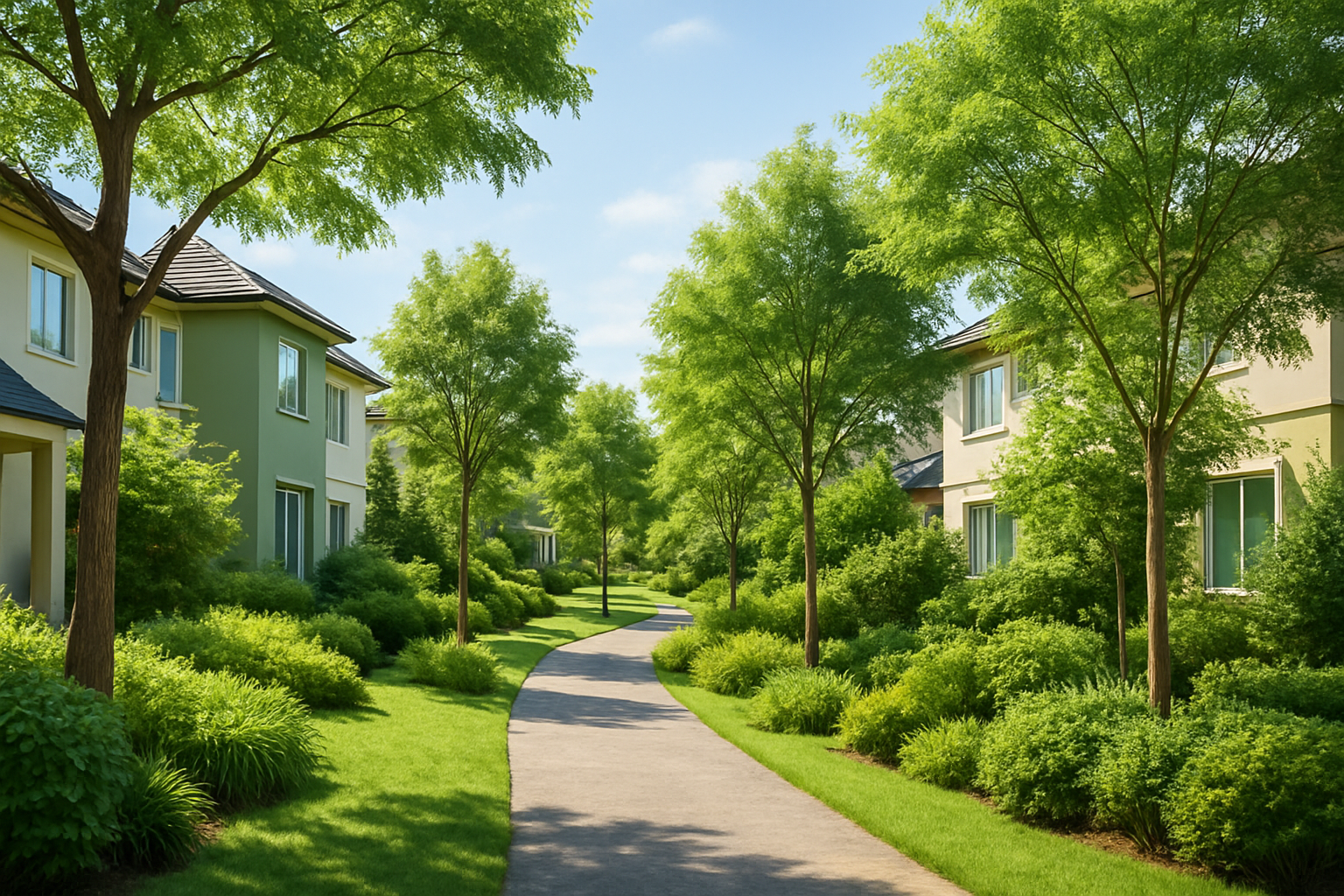
Residential Greening for Cooler Air
Tuesday, 27 January 2026 16:02 WIB
Introduction
As urban temperatures continue to rise, the "Heat Island Effect" has become a serious concern for residential areas. However, the solution might be simpler than we think: Greening. By integrating nature into our living spaces, we can create a natural cooling system that is both sustainable and aesthetically pleasing.
How Greening Lowers Temperature
Plants act as natural air conditioners through a process called transpiration. They release water vapor into the air, which absorbs heat and cools the surrounding environment. Additionally, large shade trees can block direct sunlight from hitting concrete surfaces, preventing heat from being trapped around your home.
Key Strategies for Residential Greening:
- Strategic Tree Planting: Planting broad-leaf trees on the West and South sides of a house can block the most intense sun rays.
- Vertical Gardens: For homes with limited space, vertical greenery on walls can reduce indoor temperatures by up to $3\text{--}5^\circ\text{C}$.
- Roof Gardens: Utilizing rooftop space for plants helps insulate the building, keeping the top floor significantly cooler.
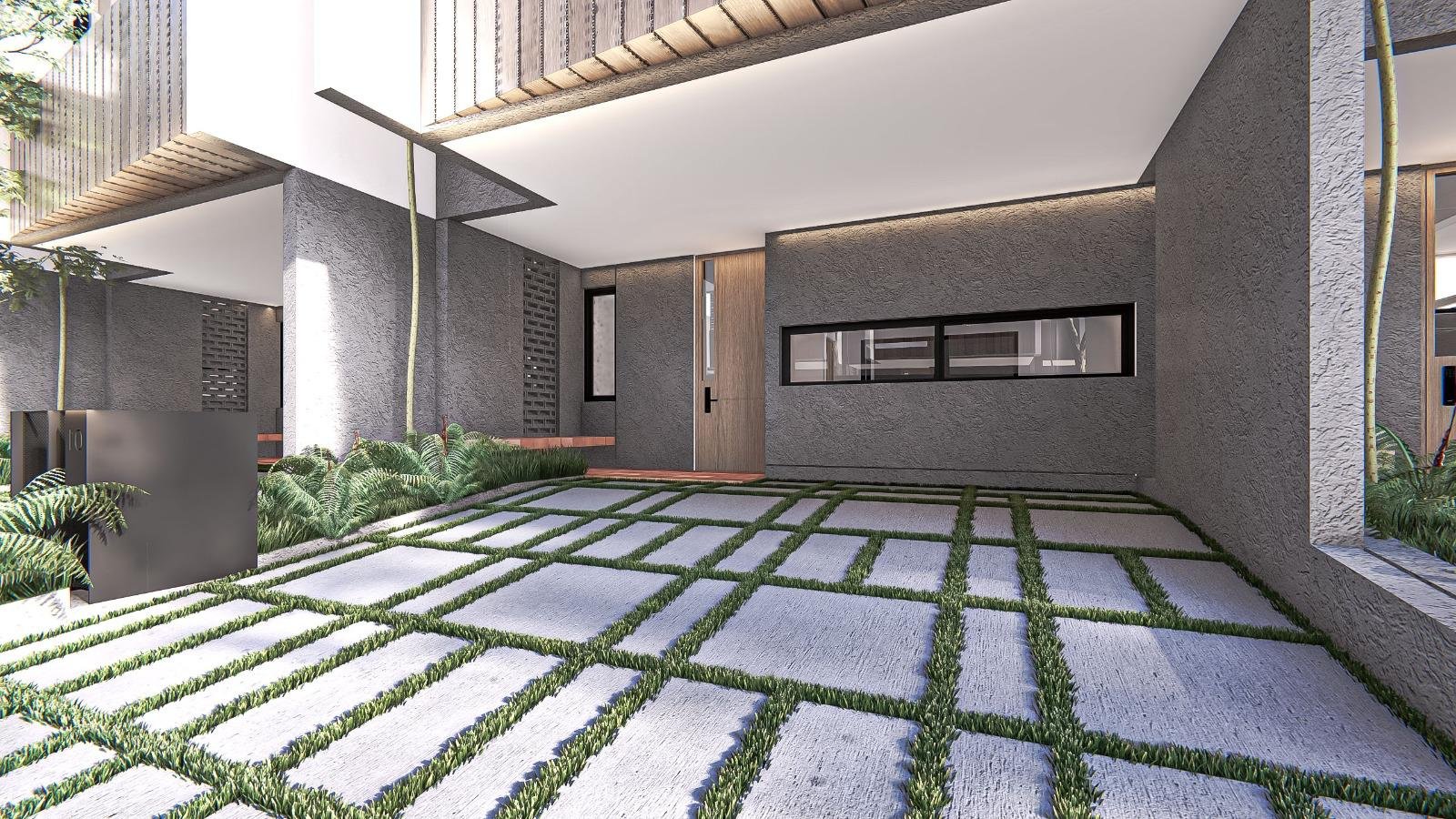
- Permeable Surfaces: Replacing concrete driveways with grass blocks helps the ground "breathe" and reduces heat radiation.
Conclusion
Residential greening is more than just a decoration; it is a vital investment for a healthier and more comfortable lifestyle. By adding more plants to our neighborhoods, we can enjoy fresher air, lower electricity bills, and a much cooler atmosphere.
What Our Clients Say

Nizar
Terawood Bintaro – Kota Tangerang Selatan
"Pelayanan ramah harga terjangkau"

Putri Nabila
Terawood Bintaro – Kota Tangerang Selatan
"Rumahnya bagus-bagus lokasi strategis"
Ahmad Rizal
Terawood Bintaro – Kota Tangerang Selatan
"Pelayanan sangat memuaskan, harga terjangkau dan rumahnya bagus-bagus"