Articles/Article Detail
Tuesday, 27 January 2026 16:04 WIB
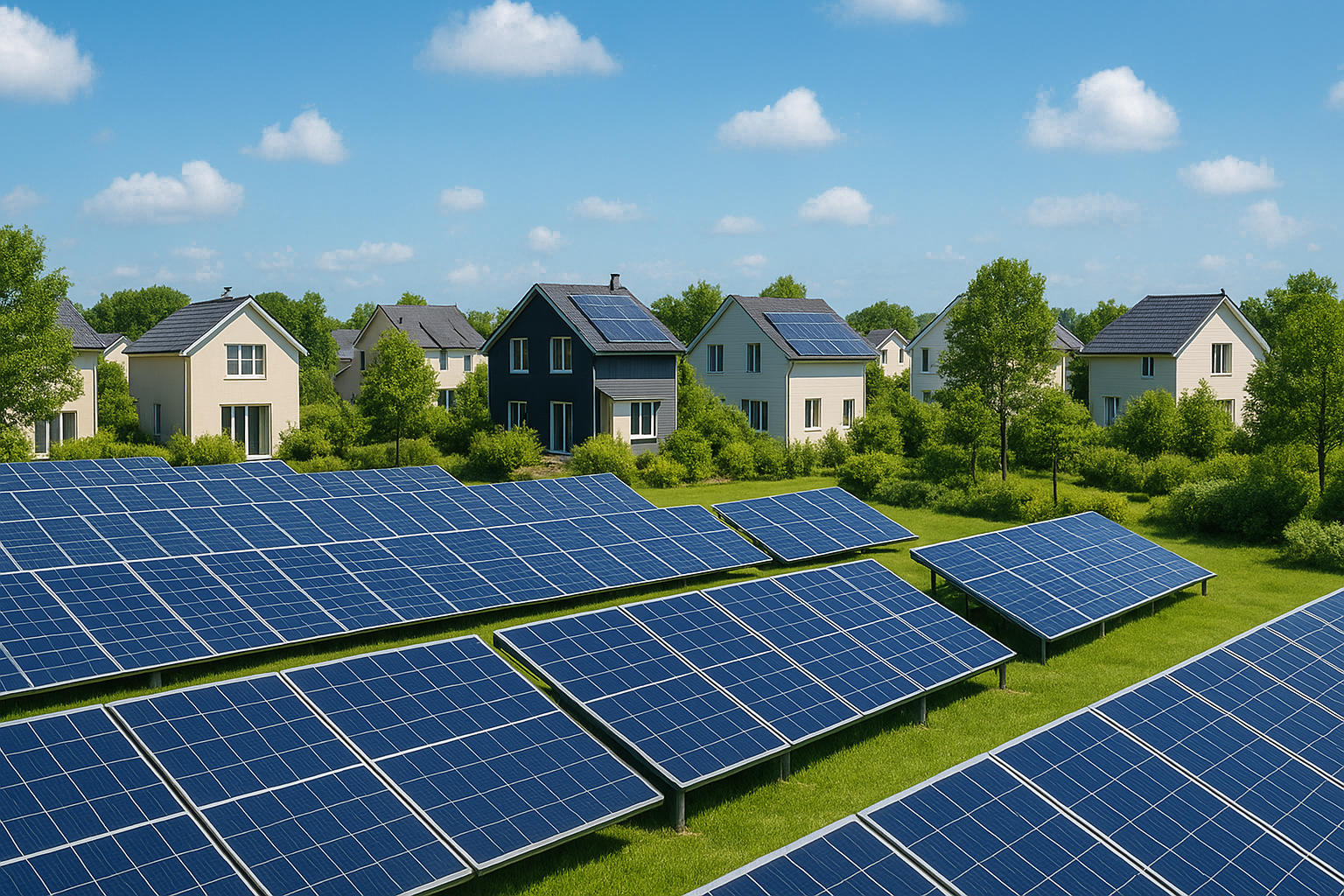
Solar Panels for an Energy-Friendly Environment
Introduction
In the face of global climate change, shifting toward renewable energy is no longer just an option—it is a necessity. Solar panels have emerged as one of the most effective ways for households and businesses to contribute to a greener planet. By capturing sunlight and converting it into electricity, we can power our lives while significantly reducing our environmental footprint.
The Environmental Impact of Solar Energy
Traditional energy production relies heavily on fossil fuels, which release massive amounts of carbon dioxide ($CO_2$) and other greenhouse gases. Solar energy, on the other hand, is a clean and infinite resource. Transitioning to solar power helps reduce air pollution and decreases our dependence on non-renewable resources that harm the Earth’s ecosystems.
Why Switch to Solar?
- Renewable and Sustainable: Unlike coal or gas, sunlight will never run out, making it the ultimate long-term energy solution.
- Carbon Footprint Reduction: A typical residential solar system can eliminate three to four tons of carbon emissions each year.
- Energy Independence: Generating your own power means less reliance on the national grid and protection against rising electricity costs.
- Low Maintenance: Once installed, solar panels require very little upkeep while providing clean energy for 25 years or more.
Implementing Solar Power in Residential Areas
To maximize efficiency, homeowners should consider the orientation of their roofs and the local weather patterns. Even in areas with occasional clouds, modern photovoltaic (PV) cells are efficient enough to gather significant energy. Combined with battery storage systems, solar panels can provide a steady flow of "green" electricity even after the sun goes down.
Conclusion
Adopting solar panels is a powerful step toward creating an energy-friendly environment. It is a win-win solution that protects the planet while offering long-term economic benefits. By investing in solar technology today, we are securing a cleaner, brighter, and more sustainable world for future generations.